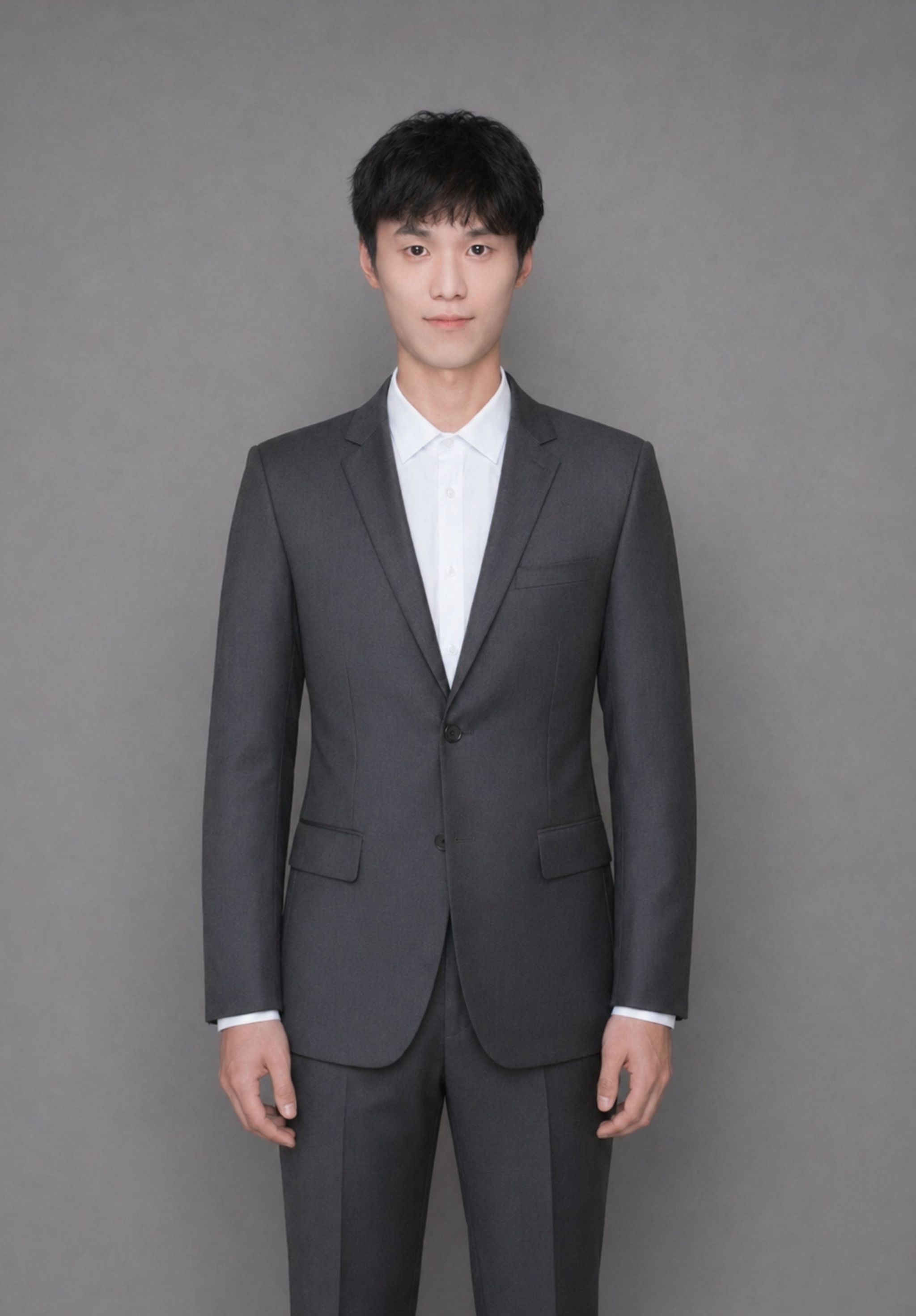
胡智宸,男,北京理工大学管理学博士,现为广西民族大学管理学院企业管理系讲师。主要从事消费者行为、品牌管理与数字营销研究,重点关注人工智能、NFT等新兴技术情境下的消费者心理与行为。研究成果发表于 International Journal of Hospitality Management、Technological Forecasting and Social Change、Journal of Retailing and Consumer Services、Food Quality and Preference 等学术期刊。
邮箱:970238050@qq.com
研究方向:人工智能营销; 消费者行为
论文发表:
1. Hu, Z., Zheng, Y.-H., Zhang, W.*, & Sun, J. (2027). Who eats matters: How eating-agent identity in short-form retail videos influences consumers’ purchase intentions. Journal of Retailing and Consumer Services, 95, Article 105148. https://doi.org/10.1016/j.jretconser.2026.105148 (SSCI, Q1, 中科院一区TOP, IF=13.7)
2. Hu, Z., Wei, S., Bai, R.*, & Ma, B. (2026). Good intent, bad result: When encouraging leaving reviews weakens potential consumers’ booking intention. International Journal of Hospitality Management, 138, Article 104716. https://doi.org/10.1016/j.ijhm.2026.104716 (SSCI, Q1, 中科院一区TOP, IF=8.3)
3. Hu, Z., Ma, B., & Bai, R.* (2026). The impact of unrealistic-style NFTs on consumers’ intention to purchase and hold. Technological Forecasting and Social Change, 230, Article 124776. https://doi.org/10.1016/j.techfore.2026.124776 (SSCI, Q1, 中科院一区TOP, IF=13.3)
4. Hu, Z.-C., Zheng, Y.-H.*, Li, W., Li, C.-Y., & Zhang, Y.-Z. (2026). Imagining building process: Enhancing tourists’ intention to protect heritage through anatomical depiction. Journal of Travel & Tourism Marketing, 43(4), 485–501. https://doi.org/10.1080/10548408.2026.2616482 (SSCI, Q1, 中科院一区TOP, IF=11.0)
5. Wei, S., Hu, Z., Zhang, D.*, & Liu, X. (2027). Too personal to be accepted? How personalization visibility drives perceived surveillance and advertising intrusiveness. Journal of Retailing and Consumer Services, 95, Article 105092. https://doi.org/10.1016/j.jretconser.2026.105092 (SSCI, Q1, 中科院一区TOP, IF=13.7)
6. Bai, R., Ma, B., & Hu, Z.* (2026). Imagine it, trust it: How anatomical depiction influences consumer intention to purchase organic food. Food Quality and Preference, 138, Article 105831. https://doi.org/10.1016/j.foodqual.2025.105831 (SSCI, Q1, 中科院一区TOP, IF=5.9)
7. Hu, Z., Wei, S., Ma, B., & Bai, R.* (2026). When showing the inside hurts: The negative effect of anatomical depiction on consumers’ brand attitude during product-harm crises. Asia Pacific Journal of Marketing and Logistics. Advance online publication. https://doi.org/10.1108/APJML-03-2026-0622 (SSCI, Q1)
8. Hu, Z., Ma, B., & Bai, R.* (2026). Trading NFTs better: How transaction history influences consumers’ value perception of NFTs. Journal of Consumer Behaviour, 25(5), 2342–2353. https://doi.org/10.1002/cb.70174 (SSCI, Q1)
9. Hu, Z., Wei, S., Ma, B., & Bai, R.* (2026). More buying, more trust? The spillover effect of branded NFTs secondary trading on future physical purchase intention. Marketing Intelligence & Planning. Advance online publication. https://doi.org/10.1108/MIP-07-2025-0580 (SSCI, Q1)
10. Hu, Z., Wei, S., Ma, B., & Bai, R.* (2026). Empowerment or erosion? The impacts of NFT promotion strategy on brand attitude and physical product purchase intention. Asia Pacific Journal of Marketing and Logistics, 38(7), 1998–2014. https://doi.org/10.1108/APJML-03-2025-0480 (SSCI, Q1)
11. Bai, R., Ma, B., Hu, Z.*, & Sun, J. (2026). When transactional NFTs crash: Consumer responses to brand crises caused by NFT price drops. Marketing Intelligence & Planning. Advance online publication. https://doi.org/10.1108/MIP-07-2025-0559 (SSCI, Q1)
12. Bai, R., Ma, B., & Hu, Z.* (2026). Complementary or replicative NFTs? The impact of NFT types on Chinese consumer’s NFT participation intention. Journal of Consumer Behaviour, 25(3), 1107–1122. https://doi.org/10.1002/cb.70119 (SSCI, Q1)
13. Bai, R., Ma, B., & Hu, Z.* (2025). The influence of displaying the last stage before consumption on purchase intention: The mediating role of mental simulation. Current Psychology, 44(6), 4906–4922. https://doi.org/10.1007/s12144-024-07067-1 (SSCI, Q2)
14. Bai, R., Ma, B., Hu, Z.*, & Wang, H. (2023). Do products branded with handwritten scripts suffer more amid product-harm crises? Journal of Product & Brand Management, 32(3), 379–392. https://doi.org/10.1108/JPBM-10-2020-3169 (SSCI, Q1)
15. Hu, Z., Ma, B., & Bai, R.* (2022). Motivation to participate in secondary science communication. Frontiers in Psychology, 13, Article 961846. https://doi.org/10.3389/fpsyg.2022.961846 (SSCI, Q2)
16. 马宝龙, 胡智宸, & 白如冰. (2021). 消费者为何不愿意兑换积分?——奖励价格对兑换意愿的影响. 管理工程学报, 35(3), 34–43. https://doi.org/10.13587/j.cnki.jieem.2021.03.004 (CSSCI, A)
科研项目:
1. 广西壮族自治区哲学社会科学工作办公室, 区块链赋能广西传统制造业数字化升级的路径与社会效应研究, 青年项目, 25GLF091, 2025-10至2028-10, 0万元, 在研, 主持
2. 广西民族大学, NFT对顾客关系的双面效应研究, 校级引进人才科研启动项目, 2025SKQD08, 2026-03至2031-12, 4万元, 在研, 主持
案例开发:
1. 胡智宸, 郑宇豪, 邓越月, 马宝龙, 甘若谷, 玉雅竹. 从等客来到多元造血: 广旅文化创意公司的商业模式重构, 全国工商管理专业学位研究生教育指导委员会, 第十七届全国百篇优秀管理案例 (微案例), 2026.
2. 马宝龙, 胡智宸, 王月辉, 吴水龙, 高昂. 向世界开花——海信自主品牌的国际化进程, 全国工商管理专业学位研究生教育指导委员会, 第九届全国百篇优秀管理案例 (重点项目), 2018.
3. 马宝龙, 白如冰, 胡智宸. “一体两翼”: 海尔集团的多品牌定位之道, 全国工商管理专业学位研究生教育指导委员会, 第十一届全国百篇优秀管理案例, 2020.
4. 马宝龙, 李纯青, 胡智宸, 刘雨洁. 工程类新产品如何落地生花: 华电科工海上风电的开发历程, 全国工商管理专业学位研究生教育指导委员会, 第十一届全国百篇优秀管理案例 (微案例), 2020.